










AI Chatbot Development Services for E-commerce: A Game Changer
Transform your online store with AI Chatbot Development Services tailored for e-commerce. Enhance customer support, boost sales, and streamline operations effortlessly.

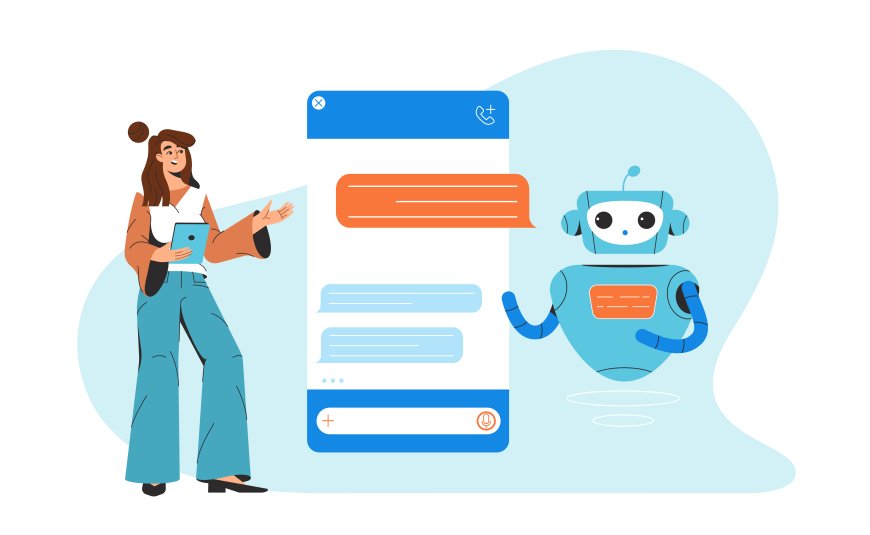
In todays fast-paced digital marketplace, e-commerce businesses face fierce competition and ever-growing customer expectations. One innovation has emerged as a true game changer: AI-powered chatbots. These intelligent virtual assistants are reshaping how online retailers engage with customers, streamline operations, and boost conversions.
In this blog, well explore how AI chatbot development services are revolutionizing the e-commerce industry. From enhancing customer experience to driving sales and improving operational efficiency, AI chatbots are quickly becoming an indispensable tool for e-commerce brands.
1. Understanding AI Chatbots in E-commerce
An AI chatbot is a software application powered by artificial intelligence and natural language processing (NLP) that interacts with users via text or voice. In e-commerce, chatbots are typically deployed on websites, mobile apps, and social media platforms to answer customer queries, provide product recommendations, assist with orders, and more.
Unlike traditional rule-based chatbots, AI chatbots learn and adapt over time. They understand context, can handle complex queries, and offer more human-like interactions. With the advancement in machine learning and language models (like GPT), modern chatbots deliver increasingly sophisticated conversations that improve over time.
2. Why E-commerce Needs AI Chatbots?
2.1 Instant Customer Support
Customers today expect real-time assistance. AI chatbots can respond to inquiries 24/7 without human intervention, ensuring no potential sale is lost due to slow response times.
2.2 Scalability
A human support team has limits. But AI chatbots can handle thousands of conversations simultaneously, making them ideal for scaling e-commerce support during sales events or peak seasons.
2.3 Personalized Shopping Experience
AI chatbots can analyze user data, browsing behavior, and purchase history to provide tailored product recommendations, promotions, and even remind users about abandoned carts.
2.4 Reduced Operational Costs
Hiring and training human agents is expensive. A chatbot can handle repetitive tasks, allowing human staff to focus on complex issues. Over time, this results in significant cost savings.
3. Key Features of E-commerce AI Chatbots
To be effective, AI chatbots must offer a range of features tailored to e-commerce needs:
3.1 Natural Language Understanding (NLU)
High-quality chatbots can comprehend and interpret customer intent, even when phrased in different ways or languages.
3.2 Integration with CRM and ERP
AI chatbots integrated with Customer Relationship Management (CRM) and Enterprise Resource Planning (ERP) systems offer seamless service, such as tracking orders, updating customer records, and handling returns.
3.3 Multilingual Capabilities
For global e-commerce brands, multilingual chatbots ensure effective communication with a diverse customer base.
3.4 Payment Assistance
Advanced chatbots can guide users through payment processes or even facilitate transactions within the chat interface.
3.5 Omnichannel Presence
Modern chatbots can operate across platformswebsite, Facebook Messenger, WhatsApp, Instagram, or mobile appsproviding a consistent and unified experience.
4. AI Chatbot Use Cases in E-commerce
4.1 Customer Service Automation
AI chatbots handle common inquiries like:
-
Where is my order?
-
What is your return policy?
-
Do you ship internationally?
These interactions reduce the workload on customer service teams.
4.2 Cart Abandonment Recovery
One of the biggest challenges in e-commerce is cart abandonment. AI chatbots can:
-
Remind users of items left in their cart.
-
Offer a discount or incentive.
-
Assist with questions that may have caused hesitation.
4.3 Personalized Product Recommendations
By analyzing user behavior, chatbots can suggest products based on:
-
Past purchases.
-
Recently viewed items.
-
Popular products among similar customers.
4.4 Order Tracking and Updates
Customers can get real-time order status without navigating through multiple pages or emails.
4.5 Upselling and Cross-selling
Chatbots can intelligently recommend complementary products at checkout or post-purchase.
5. Benefits of AI Chatbot Development Services
5.1 Improved Customer Engagement
With round-the-clock availability and contextual understanding, chatbots increase user engagement and satisfaction.
5.2 Higher Conversion Rates
Fast responses and personalized assistance lead to more completed purchases, directly impacting revenue.
5.3 Enhanced Brand Image
Deploying a well-designed AI chatbot shows that your brand is innovative, customer-centric, and technologically advanced.
5.4 Data Collection and Insights
Chatbots collect valuable customer data and provide insights into:
-
Frequently asked questions.
-
Buying behavior.
-
Product preferences.
This data helps in decision-making and marketing strategies.
6. Choosing the Right AI Chatbot Development Service
The success of an e-commerce chatbot depends largely on the development service provider. Heres what to look for:
6.1 Customization and Branding
Your chatbot should reflect your brands voice and style. Choose a service that offers deep customization.
6.2 Integration Capabilities
Ensure the chatbot can integrate with your existing systems like Shopify, WooCommerce, Magento, or any proprietary platform.
6.3 Scalability
As your business grows, your chatbot should grow with it. Pick a provider with scalable infrastructure.
6.4 Analytics Dashboard
You need insights into chatbot performancehow many conversations, resolution rates, customer satisfaction scores, etc.
6.5 Post-launch Support
Ongoing updates, performance monitoring, and issue resolution are essential for long-term success.
7. Top Platforms and Tools Used in AI Chatbot Development
Some popular tools and platforms for chatbot development include:
-
Dialogflow (Google)
-
Microsoft Bot Framework
-
Rasa (Open Source)
-
IBM Watson
-
ManyChat (for Facebook/Instagram)
-
Tars, Botsify, and Chatfuel
For more advanced NLP and contextual understanding, developers often integrate models like OpenAIs GPT, BERT, or Claude to enhance the conversational flow.
8. Real-World Examples of AI Chatbots in E-commerce
8.1 H&Ms Virtual Assistant
H&M uses an AI chatbot on its website and Kik messenger to help customers browse collections, get style advice, and make purchases.
8.2 Sephora
Sephora's chatbot assists users with product recommendations, booking in-store appointments, and tutorial suggestionscreating a seamless online beauty experience.
8.3 eBays ShopBot
eBay launched ShopBot, which learns user preferences over time and provides intelligent shopping recommendations using natural language queries.
9. The Future of AI Chatbots in E-commerce
AI chatbots are not just a trendtheyre the future. As technology advances, we can expect:
9.1 Voice-Activated Shopping
Integration with voice assistants like Alexa or Google Assistant will allow users to shop hands-free.
9.2 Emotionally Intelligent Bots
Advanced sentiment analysis will enable chatbots to detect frustration or satisfaction and adjust tone accordingly.
9.3 Augmented Reality (AR) Integration
Chatbots may integrate with AR tools to help users visualize productslike trying on clothes or placing furniture in a room.
9.4 Hyper-Personalization
With more data and better algorithms, chatbots will deliver experiences tailored to micro-segments of userseven individuals.
Conclusion
AI chatbot development services are no longer optionalthey are essential for any e-commerce business aiming to stay competitive, responsive, and customer-focused in todays digital economy.
Whether you're a startup launching your first product or an established e-retailer with millions of customers, investing in AI chatbot technology can streamline your operations, enhance customer experience, and ultimately boost your bottom line.
If your e-commerce brand hasnt already embraced AI chatbots, now is the time to start. The future belongs to businesses that combine human creativity with machine intelligence to create seamless, personalized, and satisfying shopping experiences.