







Reduce the Maintenance Cost of Bigger Used Heavy Construction Equipment
Reduce the maintenance cost of bigger used heavy construction equipment with smart upkeep, operator training, telematics, and quality parts strategies.


The Cost of Owning Big Machines
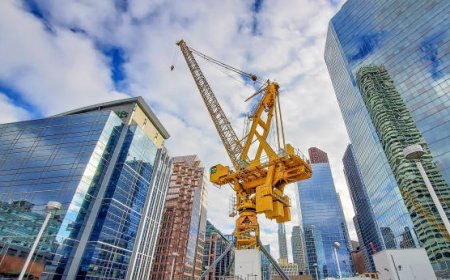
Larger used heavy construction equipment, such as large excavators, dozers, wheel loaders, and graders, is essential on large jobsites, but they are not cheap to maintain. When one buys such machines second-hand, the value of operation is usually balanced with the risk: old wear and tear, irregular maintenance, and obsolete parts may all cause expensive surprises. The fact is, however, that being a big user of used equipment does not necessarily imply emptying your maintenance budget. Contractors can manage repair expenses, maximize the life of equipment, and keep machines running for decades with the appropriate strategies. It begins with a proactive discipline, technology, and smarter everyday habits.
The Importance of Pre-Purchase Inspection
Avoiding inheriting the problems of another person is one of the best ways to cut down on the cost of maintenance. A thorough examination is a must before purchasing big used heavy construction equipment. Do not use a visual walkaround or a couple of test passes. Introduce a qualified technician, preferably one who is employed by the original equipment manufacturer (OEM), to assess such vital systems as hydraulics, undercarriage wear, fluid contamination, electrical performance, and service history. It is also prudent to perform a diagnostic scan with factory software to identify latent warnings or dormant fault codes. A few hundred dollars spent now will save thousands of dollars in unforeseen repairs after purchase, particularly on high-priced parts such as engines or transmission sets.
Stay Ahead with Preventive Maintenance
As soon as you own the machine, the most effective way to avoid high repair costs is a regular preventive maintenance program. Missing a regularly scheduled service may appear to save time or money in the short run, but failure to replace filters, fluids, torque checks, or belt inspections can cost much more in the long run. Used heavy construction equipment for hard jobs, especially in dusty, wet, or abrasive conditions, requires frequent maintenance to work effectively. It is important to change oil according to the OEM-recommended intervals, change air filters, and perform other lubrication procedures. The more you can predict your maintenance, the less you will end up paying on emergency repairs or extended downtimes.
Use Telematics to Monitor and Predict Issues
Technology is shifting the game in terms of equipment maintenance. Even used large machines are now compatible with telematics systems that can monitor real-time machine health. The systems monitor engine load and idle time, fuel consumption, fault codes, and service hours, among others. What is more important, they give early warnings of possible failures, which allows fleet managers to plan repairs in advance before a breakdown occurs. Maintenance schedules can also be optimized and underperforming units identified with the help of platforms such as Cat Product Link or KOMTRAX offered by Komatsu. Concisely, the data-driven insights can be used to make maintenance dollars go further.
Train Operators to Extend Machine Life
The actions of operators directly affect the life of the equipment and the frequency of maintenance. Overloading, sudden acceleration and deceleration, or disregarding warning signs all hasten wear and tear. In larger used machines, which already have several thousand hours on them, the skilled operation is even more important. Machine-specific training of operators, particularly older models, can help to substantially minimize unnecessary stress on the machine. Promote gentle handling, proper engine warm-up and cool-down methods, and monitoring gauges or system warnings. Some companies even allocate machines to particular operators in order to encourage ownership and responsibility in the manner that which machines are handled.
Stick with Quality Parts and Fluids
Attempting to save a few dollars with low-cost aftermarket parts or generic fluids can be a mistake, particularly in large equipment. Poor quality hydraulic filters, incorrect seals, or low-quality engine oil may cause system failure, contamination, and even complete rebuilds. OEM parts or third-party brands with good reviews that are at least as good as the manufacturer's specifications are preferable. This also applies to fluids. The correct viscosity of oil, mix of coolant, or hydraulic fluid not only protects parts but also ensures performance. In the case of large machines that are already operating under heavy loads, such a margin of protection is worth the increment in the initial cost.
Track Maintenance with Digital Records
Having a good maintenance history will keep you organized, plan, and save long-term. Regardless of whether you are using fleet management software or a basic cloud-based spreadsheet, by keeping track of every oil change, inspection, and repair, you will be able to avoid duplicate services, missing repairs, or part replacements. It also increases resale value as it makes a potential buyer realize that the machine has been properly taken care of. More to the point, it can be used to determine what problems are persistent throughout your fleet, such as frequent electrical problems or undercarriage replacements, to change your operating practices to reflect that. Having records, your fleet maintenance becomes more predictable and affordable.
Optimize Machine Usage and Rotation
Finally, the smart management of machine utilization is one of the most underrated methods of cutting down maintenance costs. Rotate the use of multiple units to even out wear and tear instead of using a single large grader or dozer to perform all the work. Avoid long idle times, and use the right machine to do the job. There is no point in using a 50-ton excavator to dig a trench that would be better suited to a mid-sized model. Being overused causes faster wear, whereas being underused may cause seals to dry out and systems to wear down. Adequate scheduling and matching of machines aid in extending the life of the equipment and in more equitable distribution of maintenance expenses.