









Top 5 Benefits of Face Recognition Systems for Access Control in Enterprises
Explore the top five benefits of face recognition systems in enterprise access control, from enhanced security and contactless entry to faster authentication and audit trails.


Physical security and identity management is a major concern in an operating environment in today modern enterprise set ups. Although conventional ways of access control, such as ID cards, PIN codes, or even biometric fingerprints, are viable, they have a weakness associated with them, i.e., lost cards, stolen pins, and contact-based applications touch on hygienic issues.
Then there is the face recognition system, a touch-free, AI applied method that is quickly setting the standards as the control gateway of choice in enterprises. With high-tech face recognition software organizations can now afford to control access in a secure, efficient, and sleek fashion.
This blog post will discuss the best five advantages of the use of facial recognition technology in enterprise on setting.
What Is Face Recognition-Based Access Control?
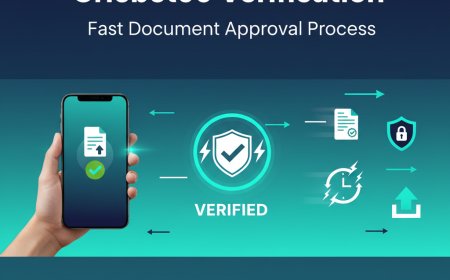
Face recognition access control system is based on the AI algorithms to identify and attribute the identity of an individual through his or her face features. As long as he or she is already registered in the system, the individual can be able to go into authorized areas by just having his face scanned and without touching any surfaces or corrupting his ID.
When coupled with security cameras, video analytics and additional enterprise databases, these systems can impose policy on access in real time, and adapt as organizations grow or change.
1. Touchless & Frictionless Access
In a post-pandemic world, minimizing physical contact is not just a convenienceits a necessity. Face recognition systems provide 100% touchless access, enabling employees, contractors, and visitors to move through gates, doors, and checkpoints without touching anything.
This frictionless experience:
-
Speeds up entry and exit
-
Reduces queues during peak hours
-
Enhances health and safety in shared spaces
-
Minimizes risk of contamination
For large campuses, manufacturing units, or multi-tenant offices, this feature is especially valuable.
2. Enhanced Security and Accuracy
Face recognition software uses deep learning to accurately distinguish between thousands of individualseven in challenging lighting or crowded environments. Compared to swipe cards or fingerprints, facial biometrics are significantly harder to spoof or duplicate.
Some of the advanced security capabilities include:
-
Real-time verification
-
Anti-spoofing detection (e.g., to prevent photos or videos from being used)
-
Multi-factor authentication when combined with PINs or badges
-
Instant alerts for unauthorized access attempts
These features make the system highly suitable for high-security areas like data centers, R&D labs, and executive zones.
3. Centralized Monitoring and Audit Trails
Unlike traditional access systems that log isolated entry points, face recognition solutions create a centralized view of all access events. Admins can:
-
Monitor live feeds across multiple locations
-
Track who accessed which zone and when
-
Generate audit reports for compliance and investigations
-
Integrate with existing VMS or HRMS platforms
This level of transparency not only strengthens security but also aids in meeting compliance requirements for regulated industries such as BFSI, healthcare, and IT services.
4. Scalability Across Multi-Site Operations
Modern enterprises often operate across multiple floors, buildings, or cities. Face recognition systems are highly scalable, enabling a centralized command structure for identity and access management.
Key scalability features include:
-
Cloud-enabled enrollment for remote workers or new hires
-
Seamless integration with existing turnstiles, lifts, and gates
-
Unified user profiles across branches
-
Mobile alerts and remote overrides for access requests
This makes deployment efficient and management far easiereven for enterprises with thousands of employees.
5. Improved Employee Experience and Efficiency
A great workplace experience starts at the entrance. With facial recognition, employees no longer need to carry ID cards or wait in queues to scan badges. This not only saves time but fosters a more tech-enabled and progressive environment.
Face recognition can also:
-
Enable smart attendance and time tracking
-
Automate visitor check-ins and guest access
-
Reduce dependency on reception or security personnel
-
Personalize workspace settings (e.g., access to meeting rooms, cafeteria privileges)
Together, these small efficiencies add up to meaningful time savings and higher productivity.
FAQs About Facial Recognition for Enterprise Access
Is face recognition secure enough for enterprises?
Yes. Todays AI-powered systems use encrypted data storage, anti-spoofing techniques, and multi-layered authentication to ensure high security.
What about employee privacy and data protection?
Leading providers like Videonetics offer privacy-compliant solutions with audit logs, consent-based enrollment, and role-based data access.
Can the system work offline or during network outages?
Yes, many systems offer edge processing, allowing for continued operation even without active cloud connectivity.
How fast is face-based access compared to traditional methods?
Recognition and entry typically take less than one secondfaster than swiping a card or entering a pin.
Conclusion: The Future of Access Is Facial
Since companies need to focus on their security and the experience of the user, face recognition systems provide the right combination between speed, scalability, and security. Whether it is fewer risks or better convenience, the advantages of implementing face recognition software in access control speak clearly to anyone who has any practice with it in that domain and they increase their application day by day.
Regardless of the size of your office base or whether it is a national campus of buildings, the use of AI-backed facial recognition access is one way of moving towards more intelligent and safer moves in the enterprise. Videonetics with its strong experience in AI video analytics helps organizations become confident and able to adopt this future with clarity of belief.