

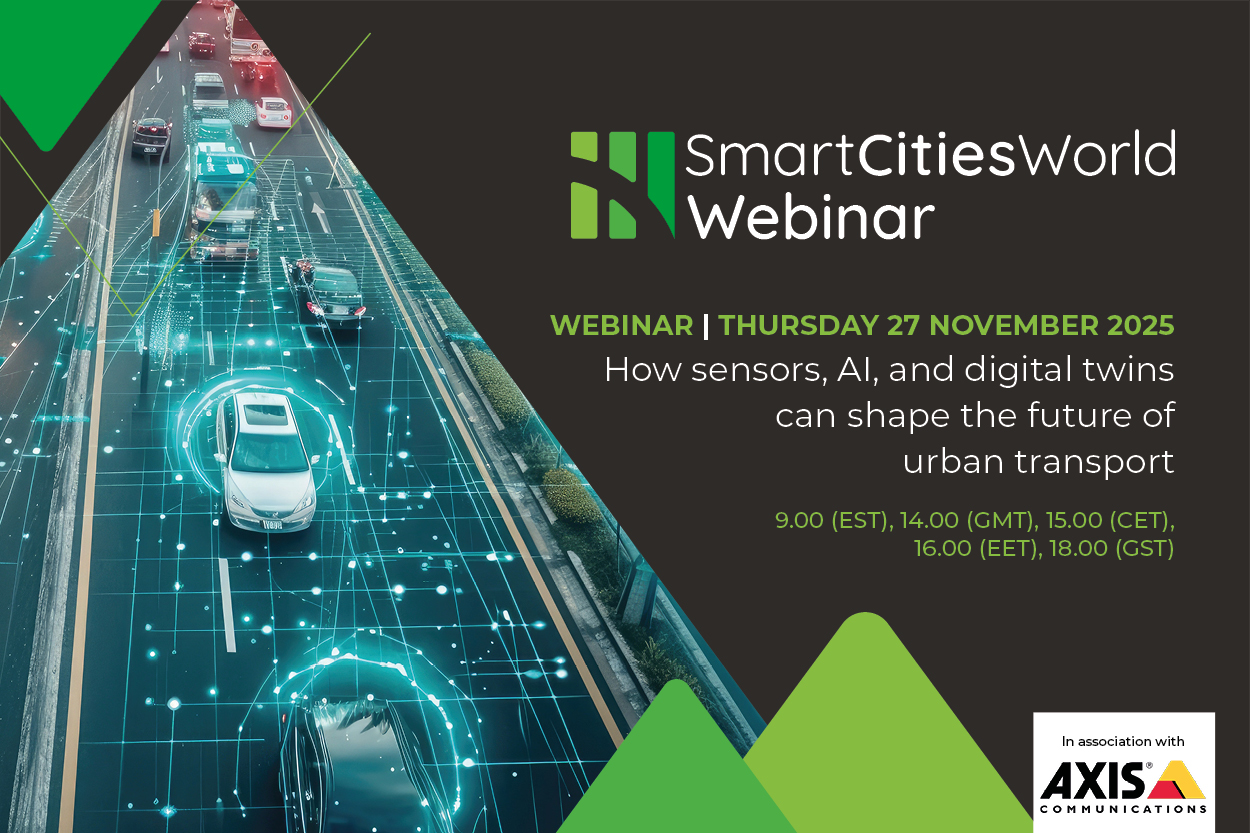
The evolution of urban transport is at a crucial juncture, driven by the integration of advanced technologies such as sensors, artificial intelligence (AI), and digital twins. These innovations are not just enhancing the efficiency of current systems but are also essential for creating sustainable urban environments.
Recently, an OnDemand Trend Report Panel Discussion focused on 'AI for Resilient Infrastructure', emphasizing sustainable operations necessary for future-ready cities. The discussion gathered experts who shared their insights on how AI can improve the resilience of urban infrastructures. They highlighted the potential of AI to optimize traffic flow, reduce emissions, and enhance overall urban mobility.
In addition to this panel, the OnDemand COP30 Webinar addressed the pressing need for climate finance, particularly in building city capacities and fostering partnerships. The webinar underscored the importance of unlocking financial resources to support urban development initiatives that prioritize sustainability. Experts discussed strategies for engaging stakeholders and creating financial models that can sustain long-term urban transport projects.
The rapid advancement of technology has equipped cities with tools to create intelligent transport systems. Sensors play a pivotal role in data collection, providing real-time information about traffic conditions, public transport utilization, and pedestrian movements. This data is crucial for city planners and transport managers to make informed decisions that enhance mobility and reduce congestion.
AI algorithms can analyze this vast amount of data, identifying patterns and predicting future trends in urban transport. For instance, predictive models can forecast traffic jams or identify potential safety hazards before they become critical issues. By implementing AI-driven solutions, cities can respond proactively to challenges, ensuring a smoother and safer travel experience for residents.
Digital Twins: A Revolutionary Approach
One of the most exciting developments in urban transport is the concept of digital twins. A digital twin is a virtual replica of a physical system, allowing city planners to simulate and analyze the performance of urban transport networks under various scenarios. This technology enables cities to test the impact of new policies, infrastructure changes, or technological implementations without the risk and expense of real-world trials.
During the webinar, experts discussed case studies where digital twins have been successfully implemented to improve urban transport systems. For example, some cities have used digital twins to optimize bus routes, reduce travel times, and enhance service reliability. By visualizing the entire transport ecosystem, decision-makers can better understand the interactions between different modes of transport and make data-driven choices that benefit urban residents.
Connecting Climate Finance and Urban Transport
The relationship between climate finance and urban transport cannot be overstated. As cities strive to meet sustainability goals, financing becomes a critical component of successful implementation. The OnDemand COP30 Webinar shed light on innovative approaches to climate finance, emphasizing the need for partnerships between public and private sectors.
Experts highlighted various funding mechanisms, including green bonds and public-private partnerships, that can be utilized to support sustainable urban transport projects. These financial tools not only help in developing infrastructure but also encourage the adoption of environmentally friendly transport solutions, such as electric buses and bike-sharing programs.
Moreover, the role of community engagement in securing climate finance was a key point of discussion. By involving local communities in the planning process, cities can ensure that transport solutions meet the needs of residents while also gaining public support for funding initiatives.
In conclusion, the integration of sensors, AI, and digital twins is paving the way for smarter, more sustainable urban transport systems. As cities continue to face challenges related to congestion and environmental sustainability, leveraging these technologies will be essential. The discussions from the recent webinars reflect a growing recognition of the importance of innovative solutions and collaborative efforts in shaping the future of urban mobility.
Source: Smart Cities World News