










Step-by-Step Guide to Deploying Inbound Call Center Software
This guide provides a strategic, step-by-step framework for deploying inbound call center software. It moves beyond technical setup to cover defining clear business objectives, architecting an intuitive customer call flow, integrating with essential tools like CRM, and properly training your team. By following these foundational steps, businesses can transform their call center from a simple utility into a powerful asset for driving customer loyalty and achieving sustainable growth.

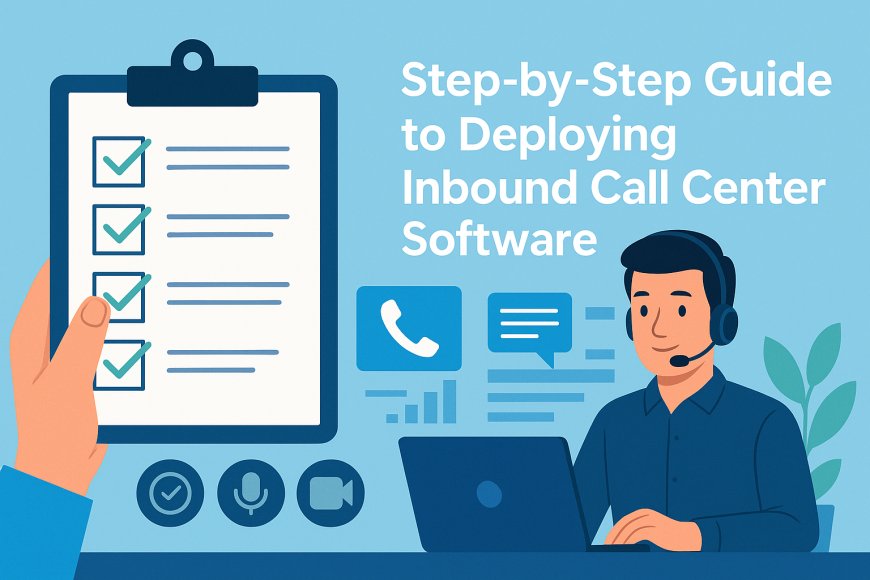
ImplementingInbound Call Center Software is a key step for any business focused on customer support. This technology acts like the central hub for your team, helping build strong relationships with every call. But a smooth launch depends on careful setup; a bad rollout can cause frustration for both agents and callers.
This guide offers a clear, step-by-step plan to make sure your system is ready to perform at its best from day one. Lets create a Call Center Solution thats not just functional, but truly outstanding.
Guide to Set Up Inbound Call Center Software
Step 1: Establish Your Core Objectives
Before you configure a single setting, you must first define your version of success.
Launching new software without clear goals is like building a house without a blueprint. Gather your stakeholders to pinpoint exactly what you aim to accomplish.
Are your primary goals to:
- Minimize the time customers spend on hold?
- Increase the rate of issues solved on the first contact (First Call Resolution)?
- Elevate your average Customer Satisfaction (CSAT) score?
- Enhance agent efficiency and improve team morale?
With these goals in place, assign specific Key Performance Indicators (KPIs) to each one. This creates a clear standard against which you can measure your return on investment.
Step 2: Architect the Customer Call Flow
With your goals set, it's time to design the journey your callers will take. This call flow is the structural framework of your inbound system. Put yourself in your customer's shoes to map it out.
- The Initial Greeting: The first audio message a caller hears sets the immediate tone. Ensure it's welcoming, clear, and professional.
- The IVR Menu: If using an Interactive Voice Response, design the menu for simplicity. An overly complex menu is a primary source of customer frustration. Limit options to the most essential 4-5 choices and always provide a clear path to connect with a live agent.
- Call Assignment: Determine the final stop for the call. Will it go to a general queue, a specific department, or an individual? This decision is the bridge to the next crucial step.
Step 3: Set Up Your Call Routing Logic
This is where your Call Center Management Solution begins to work its magic. Your Automatic Call Distribution (ACD) system acts as a smart traffic controller, directing calls based on the logic you establish.
Consider these proven routing models:
- Skill-Based Routing: The gold standard for FCR. This method directs callers to agents with the specific expertisebe it technical knowledge or language skillsneeded to solve their problem efficiently.
- Round-Robin Distribution: This approach cycles calls evenly through your team of available agents, ensuring a balanced workload for everyone.
- Longest Idle Routing: To maximize productivity, this strategy sends the next incoming call to the agent who has been available for the longest period.
Select the routing logic that best supports the objectives you outlined in the first step.
Step 4: Create a Connected Tech Ecosystem
Your Inbound Call Center Software delivers the most value when it operates as part of a connected system. For maximum impact, it must communicate seamlessly with the other critical applications your business relies on.
The most vital connection to establish is with your Customer Relationship Management (CRM) platform. Integrating your call center software with your CRM provides agents with an automatic screen-pop that displays a caller's complete historycontact details, past interactions, and support ticketsinstantly. This immediate context allows for a highly personalized and effective conversation.
Step 5: Empower Your Team with Thorough Training
The most sophisticated software is ineffective if the team doesn't embrace it. Comprehensive training is a non-negotiable step for successful adoption.
- Practical, Hands-On Sessions: Move beyond passive demos. Allow agents to actively use the system in a controlled environment. Let them handle simulated calls, practice transfers, and familiarize themselves with the dashboard.
- Explain the Benefits (The "Why"): Show agents how features like integrated notes and call disposition codes are designed to make their work simpler and more impactful.
- Develop Reference Materials: Equip your team with a quick-reference guide or a short video library they can access for a refresher anytime.
Step 6: Go Live and Commit to Continuous Refinement
The launch of your new system is the starting line, not the finish line. The final, ongoing step is to monitor performance, listen to feedback, and make iterative improvements.
- Review Call Recordings: There is no better way to understand the real-world dynamics of your customer interactions. Use recordings as a tool for constructive coaching.
- Dive into the Analytics: Your software's reporting dashboard is where your KPIs come to life. Track your progress against the goals you set in Step 1.
- Consult Your Agents: Your frontline team has the most valuable perspective on what is working well and where the friction points are. Make them part of the improvement process.
A truly great inbound call center is never static; it adapts and improves over time.
Final Thoughts
Deploying your Inbound Call Center Software is far more than a technical checklist; it is a vital strategic initiative. By dedicating the time to define success, architect an intelligent customer journey, empower your agents, and foster a culture of continuous improvement, you do more than just install a new program. You build the very framework for outstanding customer care. This deliberate and thoughtful approach is what elevates a Call Center Management Solution from a simple tool into a powerful asset for driving customer loyalty and business growth.